
Whether big or small, planning an event requires organization, creativity, and attention to detail. From weddings and conferences to concerts and product launches, the success of any event lies in effective planning.
Now you may be wondering why a PR agency is involved in events.
Events remain a key touchpoint and communication channel for individuals, businesses, or organizations.
This step-by-step guide will walk you through the essential stages of event planning to help you deliver a seamless and memorable experience.
Step 1: Define the Purpose and Goals
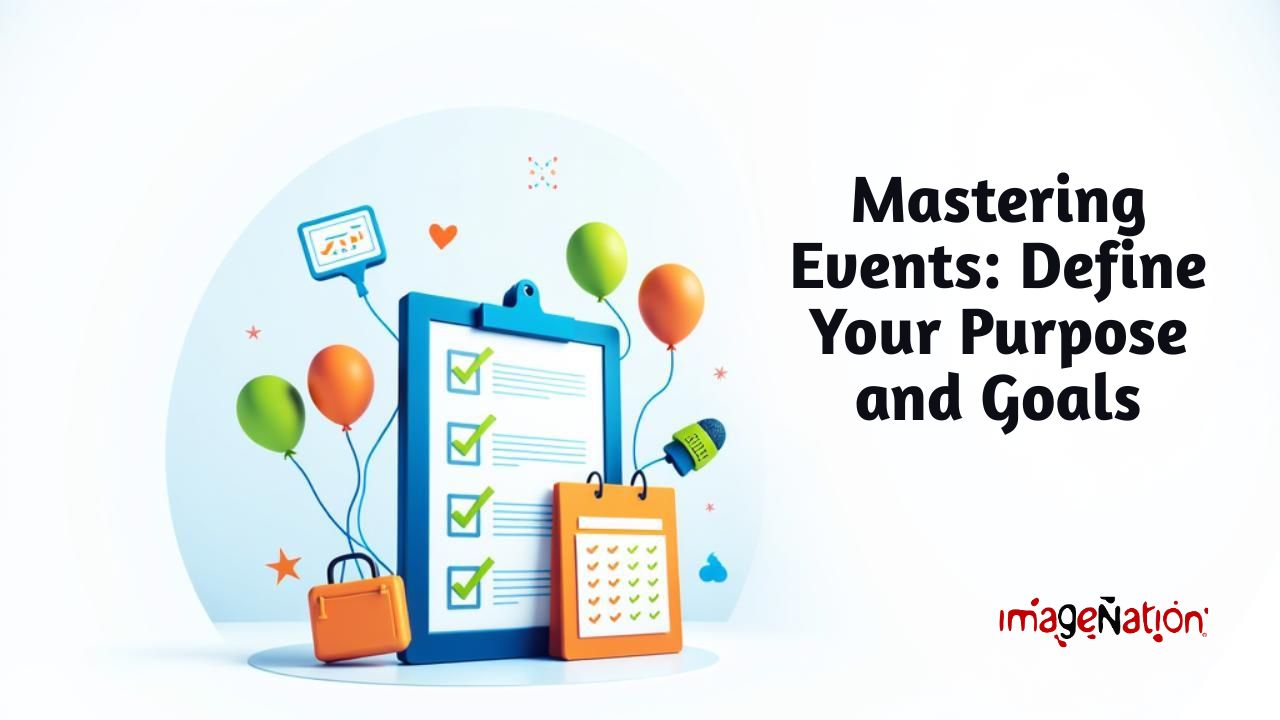
The first step in event planning is to clearly define the purpose of your event. Ask yourself, why are we organizing this event? And what do we want to achieve? Whether it’s raising awareness, celebrating a milestone, or launching a new product, having clear goals will shape every decision moving forward.
Step 2: Set a Budget
A realistic budget is the backbone of any event. List all possible expenses, including venue, catering, entertainment, décor, staff, marketing, and contingencies. Allocate funds to each category and stick to your budget as closely as possible. Having a well-thought-out budget helps avoid unexpected financial strain and keeps the project manageable.
Step 3: Choose the Right Date and Venue
Select a date that gives you enough time to plan and promote the event. Then, secure a venue that suits your theme, audience size, and technical needs. Consider timing, location, accessibility, capacity, facilities, and cost. It’s a good idea to visit the venue in person and discuss setup options with the management team.
Step 4: Develop an Event Plan

An event plan is your blueprint. It should include the event schedule, task assignments, deadlines, vendor details, and communication plans. Use tools like checklists, timelines, and project management software to keep everything organized. A detailed plan ensures that nothing is overlooked and everyone involved knows their responsibilities.
Step 5: Coordinate Vendors and Services
In event planning, hiring reliable vendors is critical to the success of your event. This may include caterers, AV technicians, decorators, security, photographers, and transportation providers. Communicate your expectations, sign contracts, and schedule regular check-ins. Ensure everyone is aligned with your event’s timeline and deliverables.
Step 6: Communicate about the event
Communicating around your event is essential, especially if it’s open to the public or requires ticket sales. For public events, use a mix of channels like social media, email marketing, flyers, press releases, and partnerships with influencers or media outlets. Create engaging content and visuals to attract attention and build excitement.
Step 7: Execute the Event
On the day of the event, arrive early to oversee setup and conduct a final walkthrough. Make sure the team is briefed and each vendor is on schedule. Handle registrations, manage timing, troubleshoot issues, and maintain communication among the team. Flexibility and quick decision-making are key to handling surprises.
Step 8: Evaluate and Follow Up
After the event, gather feedback from attendees, staff, and vendors. Analyse what went well and identify areas for improvement. Send thank-you messages to guests and partners. A post-event report can help you measure success against your initial goals and provide insights for future planning.
Event planning is a multi-step process that combines strategy and execution. With careful planning, strong coordination, and a clear vision, you can deliver events that are not only successful but unforgettable.
Need expert help to plan your event? Please contact us here: